
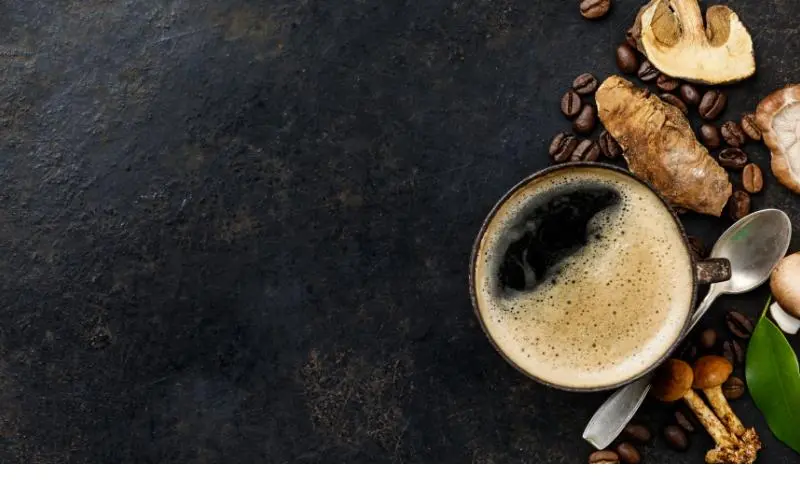
Mushroom coffee’s everywhere now. Coffee shops carry it. Your feed’s full of people raving about it. That wellness-obsessed coworker brings it up every Monday morning.
The catch? Pre-made blends cost way too much. We’re talking $2-3 per cup. Add that up over a month and you’re spending serious money on what’s basically coffee with some powder mixed in.
Making a DIY mushroom coffee recipe takes five minutes once you know what you’re doing. You save money. Control exactly what goes in. Adjust strength and flavor however you want. The whole thing’s simpler than most people think.
Functional drinks went mainstream fast. Used to be niche health store products. Now everybody wants their morning coffee to do more than just wake them up. Brain support, immune boost, energy that doesn’t crash mid-afternoon—that’s what people are after. Mushroom coffee delivers by combining regular coffee with medicinal mushrooms that actually work.
We’re covering everything here. Which mushroom powders to use. How to prep it so it tastes good. Multiple recipe options you can try. By the end you’ll know how to make your own custom blend that beats anything you’d order online.
It’s coffee plus powdered medicinal mushrooms. Lion’s mane, chaga, cordyceps, reishi—those are the main ones. The powder usually makes up 20-50% of your drink. Adds earthy notes without tasting like actual mushrooms.
These mushrooms aren’t the grocery store kind. Traditional medicine systems used them for centuries for health reasons. Modern processing extracts beneficial compounds—beta-glucans and triterpenes mainly—and turns them into powder that mixes into hot drinks.
First question everyone asks: does it taste like mushrooms?
No. Not really. The flavor’s earthy and mild. Some people taste no difference from regular coffee. Others notice it’s nuttier or more complex. Depends on your taste buds and which mushrooms you pick.
Texture’s fine if you do it right. Good mushroom powder dissolves smooth when blended properly. No weird chunks floating around. Just normal coffee consistency.
Regular coffee spikes you then crashes you. Mushroom coffee works gentler. Energy builds slower and lasts longer. You get less total caffeine since mushroom powder replaces some coffee grounds. But the adaptogens help your body handle stress better, which evens things out.
Acidity’s another difference. Mushrooms are alkaline. They counter coffee’s acid. If regular coffee bothers your stomach, mushroom coffee might not.
Your own homemade blend gives you benefits store-bought coffee can’t match.
Sustained energy without the jitters: Lower caffeine combined with adaptogenic mushrooms creates balanced energy. You’re alert but not shaky or anxious. Cordyceps helps cells produce ATP—actual cellular energy. Not the fake jittery kind.
Immune system support: Turkey tail and chaga contain serious immune-boosting stuff. Beta-glucans in high amounts help regulate immune function. Research shows promise for staying healthier during cold season.
Cognitive enhancement and mental clarity: Lion’s mane shines here. May boost nerve growth factor production according to studies. Better memory, sharper focus, improved cognitive performance overall. Stack that with coffee’s attention benefits and you’ve got a real nootropic beverage.
Reduced acidity compared to regular coffee: Coffee usually upsets your stomach? Mushroom blends could fix that. Alkaline minerals balance the pH. Makes a gentler brew that’s easier on digestion.
Store brands charge $1.50-$3.00 per serving. One cup daily means $45-$90 monthly. That’s a lot.
DIY costs roughly $0.40-$0.80 per cup. Saves you 60-75%.
Here’s the math:
| Item | Store-Bought (Monthly) | DIY (Monthly) | Savings |
|---|---|---|---|
| Single servings (30) | $60-$90 | $18-$24 | $36-$66 |
| Bulk ingredients | N/A | $15-$20 (3-month supply) | $165-$250/year |
Initial mushroom powder investment pays back fast. First month usually. Plus you control quality completely.
Commercial blends hide behind proprietary formulas. You don’t know exact mushroom amounts. Making it yourself means knowing exactly what’s going in your body. Adjust strength for your needs. Mix different mushrooms. Use organic stuff without fillers.
Best coffee types for mushroom blends: Medium and dark roasts work great. Their bold earthy flavors match mushroom’s subtle umami notes. Look for beans with chocolate, nutty, or earthy descriptions. Colombian, Sumatran, Ethiopian—all good choices.
Light roasts work too but let mushroom flavor show more. Some like that. Others don’t.
Coffee alternatives: Don’t want caffeine? Try chicory root, dandelion root, or roasted barley. They taste coffee-like without actual caffeine. Chicory adds prebiotic benefits. Dandelion gives you that bitter edge. Barley brings sweetness.
Benefits and effects: The brain mushroom. Supports cognitive function by potentially stimulating nerve growth factor. People report better focus, clearer thinking, improved memory. Best for morning coffee when you need to concentrate.
Recommended dosage: Start around 500-750mg per serving. That’s about 1/4 teaspoon. Increase gradually to 1,000-1,500mg if needed. Takes 2-4 weeks of daily use to notice effects usually.
Benefits and effects: Energy booster. Athletes use it for performance and endurance. Helps cells use oxygen better and produce energy more efficiently. Perfect before workouts or long work days.
Recommended dosage: Use 500-1,000mg per serving—roughly 1/4 to 1/2 teaspoon. Works well with coffee’s natural stimulant effect. You might need less caffeine overall.
Benefits and effects: The calming mushroom. Called “mushroom of immortality” traditionally. Helps body adapt to stress without making you drowsy. Good for evening drinks or daytime stress management. Also supports immune function and sleep quality.
Recommended dosage: Start with 500-1,000mg per serving, which is 1/4 to 1/2 teaspoon. Since it’s calming, works better in decaf or evening blends.
Benefits and effects: Antioxidant powerhouse. Grows on birch trees in cold places. Concentrates immune-boosting compounds like crazy. Supports skin health, fights inflammation, neutralizes free radicals. Tastes most coffee-like of all mushrooms—great for beginners.
Recommended dosage: Use 500-1,000mg per serving, about 1/4 to 1/2 teaspoon. Works as a foundation you can mix with other mushrooms.
Benefits and effects: Immune specialist. Contains polysaccharides that research links to gut health and immune support. Flavor’s stronger than other mushrooms but cinnamon helps mask it.
Recommended dosage: Start around 500mg per serving, slightly under 1/4 teaspoon. Increase to 1,000mg if you want. Works best mixed with other mushrooms rather than alone.
Cinnamon and natural spices: Cinnamon tastes good and helps balance blood sugar. Adds antioxidants too. Cardamom, nutmeg, vanilla extract all work great for flavor. They also cover any mushroom taste you might notice.
MCT oil and healthy fats: One tablespoon of MCT oil or grass-fed butter makes it creamy like a latte. Gives sustained energy. Slows caffeine absorption so you don’t crash. Helps absorb fat-soluble mushroom compounds better too.
Adaptogens and nootropics: Want more? Add ashwagandha for stress, rhodiola for energy, maca for hormones. Makes a seriously functional drink customized to what you need.
Natural sweeteners: Prefer sweet? Use raw honey, maple syrup, or monk fruit. They add flavor without spiking blood sugar like regular sugar does.
Not much equipment needed. You probably own most of it.
Blender or milk frother: Small immersion blender or handheld frother stops clumping and mixes everything smooth. Makes the difference between good results and lumpy disappointment. Cheap ones work fine.
Measuring spoons and scales: Important for consistency with potent mushroom extracts. Measuring spoons handle most situations. Small digital scale lets you get exact if you want perfect results every time.
Mixing vessels: Regular 12-16 oz mug or heat-proof glass works. Skip metal containers—they can affect taste and temperature.
French press or AeroPress improves coffee quality. Temperature-controlled kettle helps—195-205°F for coffee, 175-185°F when adding mushroom powder. Good thermos keeps it hot for hours if you’re traveling.
Quality varies a lot between brands. Real Mushrooms, Four Sigmatic, Om Mushroom Superfood, Host Defense—these companies consistently deliver good products. Look for mushroom specialists rather than general supplement brands.
Online shopping’s convenient but verify you’re buying from authorized sellers. Health food stores often stock quality brands. Staff usually know about sourcing and processing too.
Organic certification: Mushrooms absorb stuff from their growing environment. Organic certification means no pesticides, herbicides, or heavy metals during growth.
Extraction methods: Dual-extraction—hot water plus alcohol—gives you the widest range of beneficial compounds. Hot water gets polysaccharides and beta-glucans. Alcohol gets triterpenes and other stuff. Labels should say which extraction method they used.
Beta-glucan content: This number tells you potency. Quality extracts contain at least 20-30% beta-glucans. Less than that suggests weak concentration or grain filler.
Third-party testing: Products tested by independent labs for purity, potency, contaminants. Companies should provide certificates of analysis on request or show them on their websites.
Buy bulk when possible—bigger quantities cost way less per serving. Split orders with friends interested in trying it. Many companies offer subscription discounts, usually 10-20%.
Start with single mushroom powders instead of pre-mixed blends. Lets you experiment and find what works before buying large amounts. Make your own custom blends once you know your favorites.
Your starter recipe:
Makes one serving of balanced mushroom coffee with energy and wellness benefits.
1. Brew your coffee base: Make 8 ounces using your preferred method. French press, pour-over, drip—all work fine. Water should be 195-205°F for best extraction.
2. Measure mushroom powder: While coffee brews, measure your mushroom powder. Beginners should start with 1/2 teaspoon of one mushroom like chaga or lion’s mane. Increase gradually once you’re used to taste and effects.
3. Mixing techniques to avoid clumping: This step matters most. Pour hot coffee into blender or use immersion blender in your mug. Add mushroom powder and optional ingredients. Blend high speed for 15-30 seconds until completely smooth and slightly frothy.
Or make a paste first—mix tiny amount of hot water with mushroom powder into smooth paste. Then whisk in rest of coffee gradually. Takes more work but works without a blender.
4. Temperature considerations: Don’t add powder to boiling water. Too much heat degrades some beneficial compounds. Let coffee cool slightly to 175-185°F before adding mushrooms. Or accept small nutrient loss for convenience.
5. Final blending and serving: Give it one more stir or blend. Pour into your favorite mug. Should be smooth, creamy, inviting—not gritty or separated.
Pro Tip: Make mushroom slurry weekly. Mix your powders with small amount hot water, blend smooth, refrigerate up to 7 days. Every morning just add one tablespoon to fresh coffee and stir.
Quick Tip: Taste too much mushroom? Add more cinnamon or splash of vanilla. Natural flavor enhancers balance earthy notes really well.
Pro Tip: Warm your mug with hot water before making mushroom coffee. Prevents temperature drop and keeps drink hot longer.
Good mushroom coffee tastes mostly like coffee with subtle earthy background. Chaga adds slight vanilla. Lion’s mane brings mild umami. Reishi adds gentle bitter that fits coffee naturally. Overall effect should enhance coffee flavor, not overpower it.
Ingredients and measurements:
Preparation method: Blend everything except ice on high 30 seconds until completely smooth. Pour over ice. Enjoy immediately. Cold prep preserves beneficial compounds while making refreshing summer drink.
Best mushroom combinations for cold brew: Cordyceps plus lion’s mane creates energizing, focus-boosting iced coffee perfect for hot afternoons. Cold brew’s smooth, low-acid nature pairs really well with these mushrooms.
Ingredients and measurements:
Frothing techniques: Heat milk to 150-155°F—hot but not boiling. Use milk frother or French press to create thick foam. Blend coffee with mushroom powder first. Then gently pour frothed milk over top for nice layered look.
Dairy and non-dairy options: Oat milk creates creamiest texture and froths best. Coconut milk adds tropical richness. Almond milk works but makes less foam. Regular dairy milk’s still the traditional choice for super creamy lattes.
Ingredients and measurements:
Chocolate pairing tips: Use quality cacao powder, not sweetened cocoa. Pure chocolate enhances mushroom’s earthy notes while adding its own antioxidants. Tiny pinch salt amplifies both chocolate and coffee flavors way more than you’d expect.
Alternative base ingredients: Brew 8 oz chicory root coffee, roasted dandelion tea, or barley coffee same way you’d make regular coffee. These give rich coffee-like flavors without caffeine.
Best mushrooms for evening consumption: Reishi’s perfect for nighttime. Calming properties support relaxation without drowsiness. Mix with turkey tail for immune support during sleep.
Preparation adjustments: Same blending technique but feel free using more mushroom powder—up to 2 teaspoons—since you’re not dealing with caffeine. Add warming spices like cardamom and vanilla for cozy bedtime drink.
Energy and focus blends: Mix 500mg cordyceps, 500mg lion’s mane, 250mg chaga. This combo boosts physical energy, mental clarity, adds antioxidant protection. Great for demanding work days or morning workouts.
Relaxation and sleep support blends: Combine 750mg reishi with 500mg chaga. Use with decaf or herbal alternatives in evening. Helps body wind down while supporting immune function overnight.
Immune-boosting combinations: Equal parts turkey tail, chaga, reishi—500mg each—creates comprehensive immune support. Use daily during cold season or whenever you need extra protection.
Some love earthy flavors. Others want sweeter. Try these fixes:
Keep simple notes tracking experiments. Write down mushroom types, amounts, flavor additions, how you felt after. Few weeks and you’ll spot patterns leading to your perfect personal blend.
| Mushroom Type | Daily Dosage Range | Maximum Safe Dose |
|---|---|---|
| Lion’s Mane | 500-1,500mg | 3,000mg |
| Cordyceps | 500-1,000mg | 3,000mg |
| Reishi | 1,000-1,500mg | 5,000mg |
| Chaga | 500-1,000mg | 2,000mg |
| Turkey Tail | 500-1,000mg | 3,000mg |
These ranges apply to quality extracts. Always check product labels for specific recommendations since potency varies by brand.
Begin with just one mushroom at lowest recommended dose. Use consistently 5-7 days before adding another mushroom or increasing amount. This helps identify how each mushroom affects you individually and reduces chance of digestive adjustment.
Most people experience zero side effects. Others notice minor digestive changes first week as gut adjusts. Starting slow minimizes temporary discomfort.
Pregnancy and breastfeeding: Medicinal mushrooms have long safety histories but pregnant and nursing women should talk to doctors before using. Not much research exists on consumption during pregnancy.
Pre-existing medical conditions: People with autoimmune conditions should be careful, especially with immune-modulating mushrooms like turkey tail. Those with bleeding disorders should discuss reishi with doctors since it may affect clotting.
Medication interactions: Mushrooms can interact with blood thinners, diabetes meds, immunosuppressants. Anyone on prescription medications should consult healthcare provider before adding medicinal mushrooms to routine.
Excessive mushroom use might cause upset stomach, headaches, or feeling wired but tired. If you get these symptoms, cut dosage in half and check again after few days. More isn’t better—medicinal mushrooms work through consistent moderate use, not megadoses.
Ratio formulations: Create master blend you can scoop daily. Popular foundation formula:
Mix thoroughly in large bowl then store airtight. Each teaspoon gives roughly 500mg total mushroom extract.
Mixing instructions: Combine all powders in large bowl. Use whisk or fork breaking up clumps and distributing evenly. Sift through fine-mesh strainer if needed for ultra-smooth consistency. Prevents heavier powders settling to bottom.
Storage container recommendations: Dark glass jars with airtight seals protect blend from light and moisture. Amber or cobalt blue glass works best. Label with contents and date made.
Portion custom blend into small resealable bags or empty tea sachets. Each packet contains one serving worth of mushroom powder—1-2 teaspoons depending preference. These grab-and-go packets simplify busy mornings and make travel easy.
Temperature and humidity control: Store powders in cool dry places away from heat. Ideal storage 60-70°F. Keep away from stoves, dishwashers, direct sunlight.
Container types: Glass beats plastic for long-term storage. If using plastic, choose BPA-free food-grade. Vacuum-sealed containers offer max freshness protection.
Light exposure considerations: Light degrades beneficial compounds in extracts. Always store in opaque containers or keep glass jars in dark cabinets.
Properly stored mushroom powders stay potent 1-2 years. Check freshness by examining color, smell, texture. Fresh powder should smell slightly earthy—not musty or moldy. If powder clumps excessively or color changes significantly, toss and replace.
Pre-mixed blends stored right last 6-12 months. Consider making smaller batches—1-2 month supply—for peak freshness.
Pack single-serve packets in small cosmetic bag or pill organizer. Bring portable frother or shaker bottle for mixing on go. Many hotels have coffee makers—just add mushroom powder to brewed coffee and shake hard in water bottle for smooth mixing.
Clumping happens when powder hits hot liquid too fast. Outside creates waterproof barrier trapping dry powder inside. Solutions:
Too much bitterness usually means too much mushroom powder or poor quality products. Cut dosage in half and mask remaining earthiness with cinnamon, vanilla, or cacao. Adding healthy fats like cream or MCT oil mellows bitter notes significantly.
Some mushroom powders dissolve easier than others. Dual-extracted powders generally mix better than single-extraction ones. If dissolution stays problematic, switch brands or blend longer. Can also use fine-mesh strainer removing stubborn particles before drinking.
Mild digestive changes first week are normal as gut adjusts to new compounds. Reduce serving size and gradually increase over 2-3 weeks. Taking mushroom coffee with food instead of empty stomach often fixes discomfort. If problems continue past two weeks, try different mushroom varieties—individual responses vary.
Morning works best for energizing mushrooms like cordyceps and lion’s mane. These support focus and physical energy through your day. Take within 2 hours of waking for best circadian rhythm alignment.
Afternoon mushroom coffee—1-3 PM—fights post-lunch energy dip. Use smaller caffeine amounts or switch half-caf to avoid sleep issues.
Evening reishi drinks support relaxation when made with caffeine-free bases. Drink 1-2 hours before bed as part of wind-down routine.
Consistency beats perfection. Start replacing just one regular coffee with mushroom coffee daily. After a week it becomes automatic. Many people eventually prefer mushroom coffee so much they switch completely.
Prep everything night before—measure mushroom powder into small container, set out blender, choose mug. Fewer morning decisions helps new habits stick.
Notice how you feel 30 minutes, 2 hours, 4 hours after drinking mushroom coffee. Track energy, focus quality, mood, physical sensations. After two weeks consistent use, review notes and adjust mushroom types or amounts accordingly.
Some feel effects immediately. Others need 2-4 weeks regular consumption before noticing changes. Patience and consistency get best results.
Commercial packets typically cost $1.50-$3.00 per serving. DIY actually costs:
Initial Investment:
Per-Serving Breakdown:
Each serving uses roughly 1 gram total mushroom powder—about 1 teaspoon. With 400 grams total you have 400 servings. That’s $0.21 per cup for mushroom powder. Add $0.25-$0.50 for quality coffee and total per-cup cost runs $0.46-$0.71.
Daily mushroom coffee habit over year—365 days:
Over five years making it home saves over $2,000 while giving better quality control.
Real value goes past dollars saved. You control ingredient quality, adjust potency precisely, experiment freely, avoid unnecessary additives like natural flavors, maltodextrin, anti-caking agents in many commercial products. This purity means better results and peace of mind.
Creating your own DIY mushroom coffee recipe isn’t hard—just needs quality ingredients and proper technique. Start with single mushroom type, master basic prep method, then expand into custom blends for your wellness goals. Cost savings, ingredient control, health benefits make homemade mushroom coffee smart choice for anyone wanting functional beverages.
Remember essentials: blend thoroughly preventing clumps, start with conservative doses, give body time adjusting. Quality powders from reputable suppliers beat bargain brands. Most important though—consistency matters more than perfection.
Order one or two mushroom powders matching your primary health goals today. While waiting for delivery, research suppliers and read reviews. Once ingredients arrive, try basic recipe exactly as written. After mastering it, experiment with variations that excite you.
Your morning coffee ritual deserves upgrade. Mushroom coffee provides sustained energy, cognitive support, immune benefits regular coffee can’t match. Small effort preparing it yourself pays massive dividends in wallet and wellness.
Start your mushroom coffee journey this week. Future you will thank you for taking this simple step toward better vitality and health.